

Communities place significant trust in those elected to represent them.
Local government, more than perhaps any other level of government, operates close to the community. Councillors and mayors are not distant public figures. They are people residents encounter regularly at community events, local organisations, sporting grounds, schools, businesses and public meetings.
With that visibility comes responsibility.
Communities reasonably expect elected representatives to act respectfully, engage constructively with differing viewpoints, represent their councils professionally, and carry out their responsibilities with integrity, transparency and accountability, particularly when speaking publicly or representing their communities externally.
Comments made during a panel session at the recent LGNSW Rural and Regional Summit have prompted broader discussion locally about leadership, conduct and how democratic disagreement is handled within local government. During that session, comments were made regarding two councillors who had opposed a Special Rate Variation proposal.
The issue is not whether people support or oppose a particular proposal. The issue is how elected representatives engage with differing viewpoints.
Disagreement itself is not the problem.
Councillors are elected because they bring different perspectives, priorities and experiences to local decision-making. Debate regarding rates, long-term financial sustainability, infrastructure priorities, community assets and strategic planning is a normal and necessary part of democratic local government.
Constructive disagreement often leads to better decisions by encouraging scrutiny, accountability and consideration of different community views.
Democracy does not require unanimity. What matters is how disagreement is handled.
There is an important difference between robust policy debate and unnecessarily personalising legitimate differences of opinion. Criticism of a policy position should not automatically be interpreted as disloyalty, obstruction or opposition to the community itself.
Councillors are elected to exercise independent judgement and represent their communities according to their conscience, values and understanding of community expectations. Residents will not always agree with every position taken by elected representatives, but communities should still be able to expect respectful engagement between those elected to serve them.
Importantly, elected representatives are also bound by the Office of Local Government’s Model Code of Conduct for Local Councils in NSW. The Code exists to support integrity, accountability, respectful conduct and public confidence in local government.
These standards matter because the conduct of elected representatives reflects not only on the individuals involved, but also on the council and broader community they represent.
Public confidence in local government is weakened when legitimate democratic disagreement becomes personalised rather than respectfully debated.
When councillors and mayors speak publicly, particularly in official capacities or external forums, they are often seen as representing more than themselves. Their conduct contributes to public perceptions about the professionalism, culture and leadership standards of their council and region.
At a time when trust in institutions is increasingly fragile, respectful democratic engagement matters more than ever.
That does not mean avoiding difficult conversations or robust debate. Accountability and scrutiny are an important part of democratic life, and no elected representative is above scrutiny or accountability.
But communities are best served when disagreement remains respectful, issue-focused and constructive.
Public confidence is strengthened when elected representatives demonstrate they can disagree professionally, engage respectfully with differing viewpoints, and focus debate on policy rather than personalities.
Healthy democratic culture is built on the ability to disagree responsibly while maintaining respect for both the office and the community being represented.
That expectation should not be controversial. It should simply be part of leadership, and communities deserve nothing less from those elected to represent them.
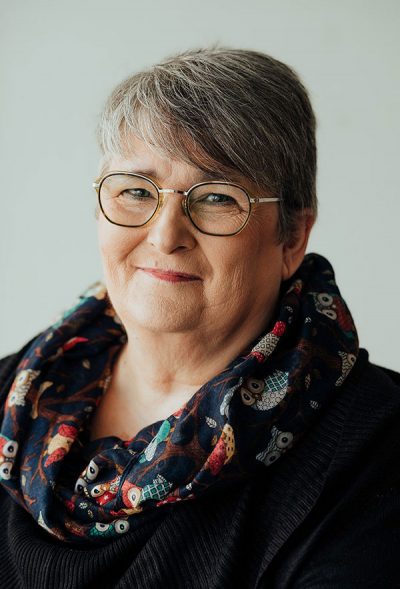
Robyn Lang is the Secretary of the Tamworth Regional Residents and Ratepayers Association Inc.
(TRRRA). She is actively involved in community advocacy and local issues across the Tamworth region, with a focus on community participation, clearer access to information, and helping local voices be heard on issues affecting the region.
All opinion and comment on New England Times Engage is the opinion of the writer and not New England Times.
Got something on your mind? Go on then, engage. Submit your opinion piece, letter to the editor, or Quick Word now.