
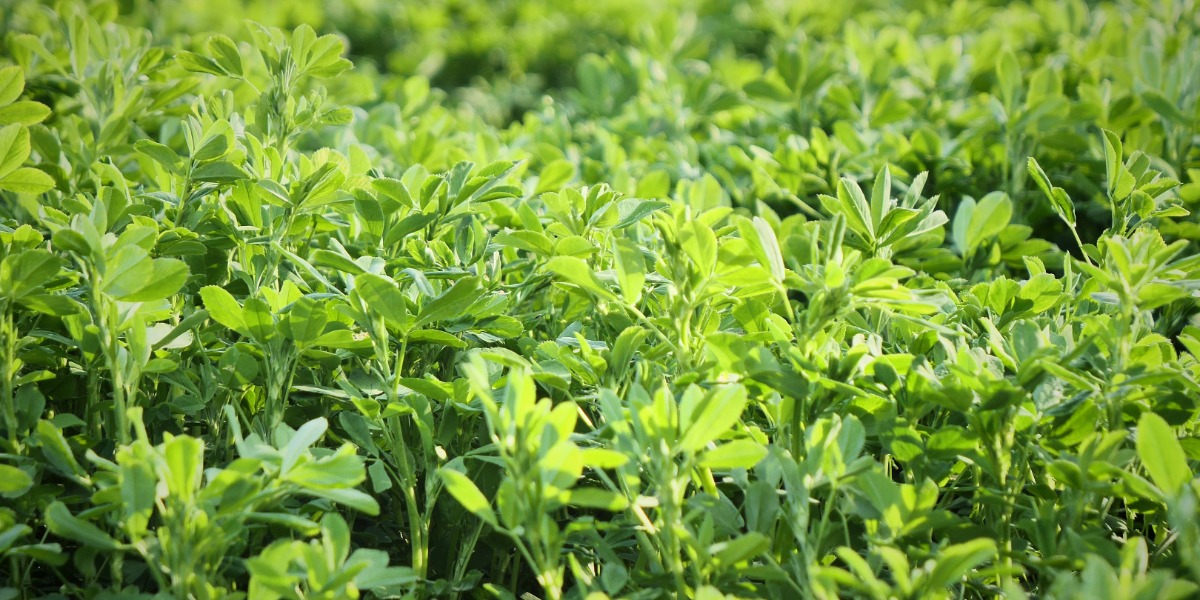
One of my more favoured crops is Lucerne, and it has gone through plenty of changes over the years. We have moved from the popular Hunter River as our main variety over many earlier decades in Australia to a much broader range. Around the mid to late 1970s, that all changed with the advent of spotted alfalfa aphids.
These sucking insects basically wiped out our Lucerne stands in Australia. It took some years to re-establish new aphid-resistant varieties of this very popular perennial fodder crop, known for its deep tap-rooted architecture and drought-tolerant ability. I recall the early aphid-resistant varieties of imported CUF 101 and Matador being a lifeline to Aussie Lucerne growers during those devastating times in the late 70s. CUF 101 even showed tolerance or survivability to a Fusarium, which we did not know much about back then.
In our current Aussie fodder growing scene, aphids like the Spotted Alfalfa Aphid (SAA) and Blue Green Aphid (BGA) are still very present. However, with well over 30 different Lucerne varieties now available, our choices for insect-resistant or tolerance packages are hugely improved. Selection is now based on other critical issues like crown height, disease packages, or winter dormant versus winter active characteristics.
I believe crown height is one of the most major aspects in variety choice, depending on your potential use pattern in the paddock. For instance, higher crown heights can lead to more damage from animal hooves or even brand new heavy-lugged tractor tyres. More damage to the crown allows the possible entry of disease or simply eventual plant death.
From my agronomic perspective, when aphids do mass in paddocks, we do not always have enough beneficial insects, like ladybirds, to consume them. Research indicates that a single ladybird can consume up to 5,000 aphids in its lifetime. Conversely, aphids can pump out 500 new offspring over their one-month life span, meaning multiplication is rapid.
Fortunately, we have some “softer” insecticides that are not as damaging to beneficial insects. There are several effective conventional insecticides registered for grain or fodder crops like Lucerne that can control these sap-sucking, virus-spreading, and plant-stunting pests.
I am very wary of aphids when their numbers threaten to explode in our farming systems. My father, Alec, always quoted that over 90% of problems in Lucerne growing come from not having enough water. I wonder what percentage he would assign to the aphid problem these days.
That’s all folks.

Paul McIntosh has been involved in providing broadacre agronomic support since 1977. Since 2015, Paul has held combined roles with Pulse Australia and Weedsmart, as an industry development and extension agronomist. His regular weeds column is published in a number of places including New England Times Engage.
All opinion and comment on New England Times Engage is the opinion of the writer and not New England Times.
Got something on your mind? Go on then, engage. Submit your opinion piece, letter to the editor, or Quick Word now.