
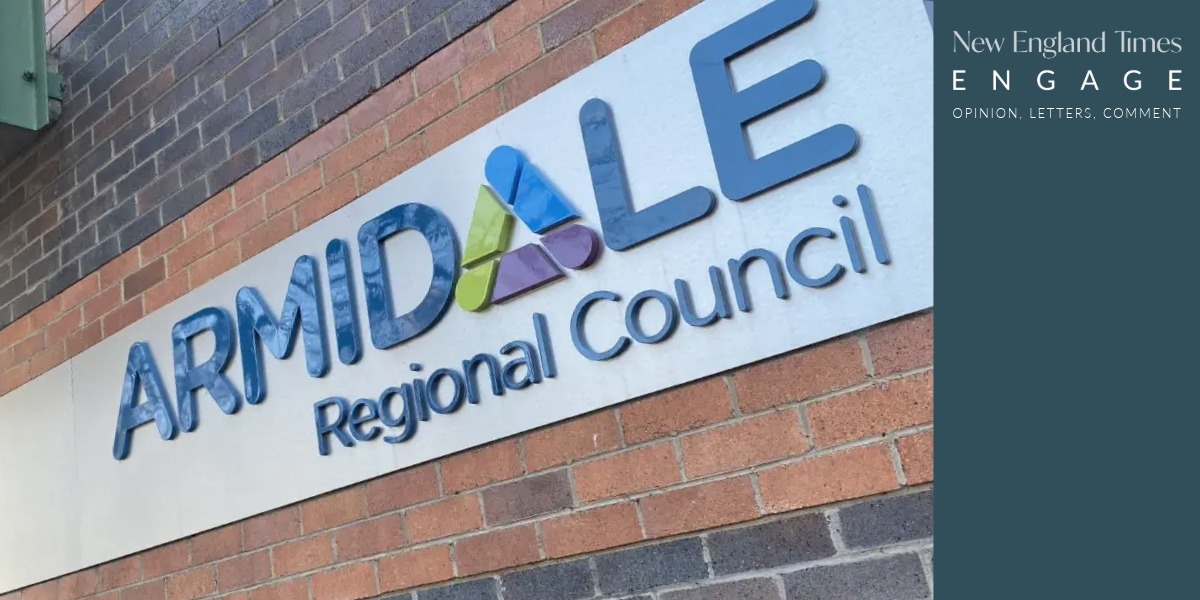
In recent years, two major projects have quietly become connected in our region: the proposed New England Rail Trail and the Armidale Battery Energy Storage System.
On the surface, they appear unrelated. One is a renewable energy project designed to strengthen the electricity grid. The other is a proposal to convert a historic railway corridor into a recreational trail.
But through a planning agreement negotiated with Armidale Regional Council, the two projects became financially linked.
At a council meeting in April 2024, councillors agreed to the general terms of a Voluntary Planning Agreement offered by the battery developer. The agreement included a community funding package worth millions of dollars over the life of the project — with part of that funding directed toward the rail trail.
For some residents, the concern is not the battery project itself, nor necessarily the rail trail proposal. Renewable energy investment can bring real benefits to regional communities, and recreational infrastructure can also add value.
The question many people are asking is about how decisions are being shaped. When a major funding source becomes tied to a specific project, it can unintentionally create momentum in one direction before the wider community has fully explored other options.
In this case, the rail corridor between Armidale and Glen Innes is more than just unused land. It represents transport history, potential future rail infrastructure, wildlife habitat, and a landscape that holds cultural and community meaning.
Some people see a rail trail as the best future for the corridor. Others believe it should remain preserved for possible rail services in the decades ahead.
Both perspectives deserve a fair hearing.
What matters most is that decisions affecting infrastructure corridors — which may influence the region for generations — are made with clear information, transparent processes, and genuine community involvement.
The intersection of renewable energy development and local infrastructure funding is likely to become more common in regional Australia.
When it does, communities should feel confident that the priorities attached to those funding agreements reflect open discussion and long-term thinking, not just the opportunity that happens to appear first.
Because in the end, the future of this corridor — like many decisions facing growing regional communities — should belong to the people who live here.
Got something on your mind? Go on then, engage. Submit your opinion piece, letter to the editor, or Quick Word now.