
There’s a common thread running through the pandemic, the fuel crisis, and the rise in noise from parties like Pauline Hanson’s One Nation. It’s not economic, and it’s not even political, not really.
It’s emotional, and we’ve left it to rot.
During COVID, people were angry, deeply and viscerally so, but most couldn’t clearly explain why. It wasn’t just lockdowns, vaccines, or rules. It was the sudden loss of control, the loss of certainty, and the quiet realisation that the systems we rely on might not actually protect us.
That kind of destabilisation does something to people. Instead of dealing with it, though, we pushed through, went back to work, and told ourselves everything was fine.
It wasn’t.
That anger didn’t disappear. It sat there, unprocessed, stewing beneath the surface and waiting for something to attach itself to.
Now along comes the fuel crisis. Prices spike, supply becomes uncertain, small businesses go broke, and people lose jobs. Suddenly, that old feeling is back, the same loss of control and creeping instability.
For many, it’s like a PTSD response, with survival mode kicking in and rational thinking taking a back seat as everything begins to feel like a threat.
When fear takes over, it looks for somewhere to go, and it rarely lands in the right place.
Instead, it bubbles up as misdirected anger, aimed at strangers, minorities, imagined enemies, or whoever happens to be the easiest target in the moment.
I saw it play out in real time the other day while sitting in a waiting room.
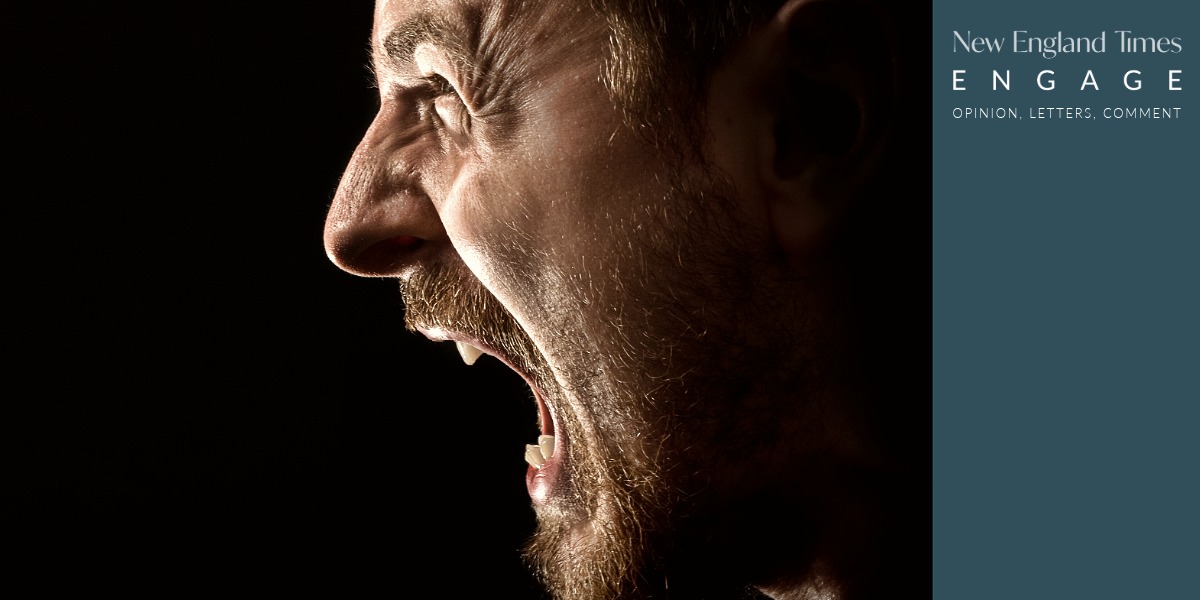
A man nearby was on the phone, speaking loudly, and in the space of five minutes he blamed people like me for everything wrong in his life.
I am queer, disabled, Jewish, female, and I have a PhD. According to the One Nation fan, that made me responsible for fuel prices, his unemployment, whatever was wrong with his car, a court decision denying him custody of his children, the lack of staff at the front desk, the war with Iran, the general state of the world, and some sprawling conspiracy that was apparently ruining his life.
None of it made sense. It was disjointed, rambling, and angry, and underneath it all was fear.
That’s the space populist movements thrive in, not because they create the anger, but because they give it a target. They shape it, direct it, and validate it, telling people their fear is justified and their enemies are real.
That’s the business model of One Nation. Exploit underlying fear for cheap votes.
But I don’t believe there are dramatically more One Nation supporters than there used to be. What we’re seeing is volume, not growth, a relatively small base that has become louder, amplified by a broader group of protest voices who are frustrated, scared, and looking for an outlet. Any outlet.
History tells us most of that protest noise doesn’t translate into votes (just ask the Greens). It flares up, then dissipates the closer you get to a ballot box, but the damage it does in the meantime is real.
While I can intellectually understand where that man’s anger came from, that doesn’t mean it doesn’t affect me.
It does.
It hurts, it makes me feel unsafe, and it makes the world feel smaller and more hostile. When enough people feel like that, society starts to fracture.
Fear begets fear, and hate begets hate.
All the while, governments at both state and federal levels are missing the point entirely.
The response to the fuel crisis has been technocratic at best and dismissive at worst, with talk of global markets, long term transitions, and electric vehicles. Those are important conversations, but they don’t touch the lived reality of people who can’t afford to fill their tank this week, the small business owner watching their margins disappear overnight, or the worker who has just lost their job.
Worse still, there’s a sense that the pain isn’t even being acknowledged, that people are expected to absorb it, cope, adapt, and move on.
Again.
That is how you compound trauma, and how you deepen the anger.
When that anger has nowhere constructive to go, it finds destructive outlets.Whether it’s One Nation and white supremacist groups, or, at the other end of the political spectrum, the Greens and rabid Palestinian supporters, and the increasingly violent protests and intolerant language of both extremes, they are all symptoms of the same malady.
If governments want to take the heat out of this moment, they need to do more than manage prices or monitor markets. They need to acknowledge what people are feeling, provide real and immediate relief, and rebuild a sense of stability and control.
Because this isn’t just about fuel.
It’s about a society that went through something collectively traumatic, never processed it, and is now being triggered all over again.
Ignore that, and the spiral continues.
End rant.

Dr RK (Kath) Crosby is the CEO of research and strategy company KORE CSR, former strategist for the Australian Democrats, and holds a PhD in political behaviour. She is also a well known migraine and health advocate, and the Publisher of New England Times and North Coast Times.
Got something on your mind? Go on then, engage. Submit your opinion piece, letter to the editor, or Quick Word now.