
There are moments in politics when a party has to decide whether it stands with powerful vested interests or with ordinary people.
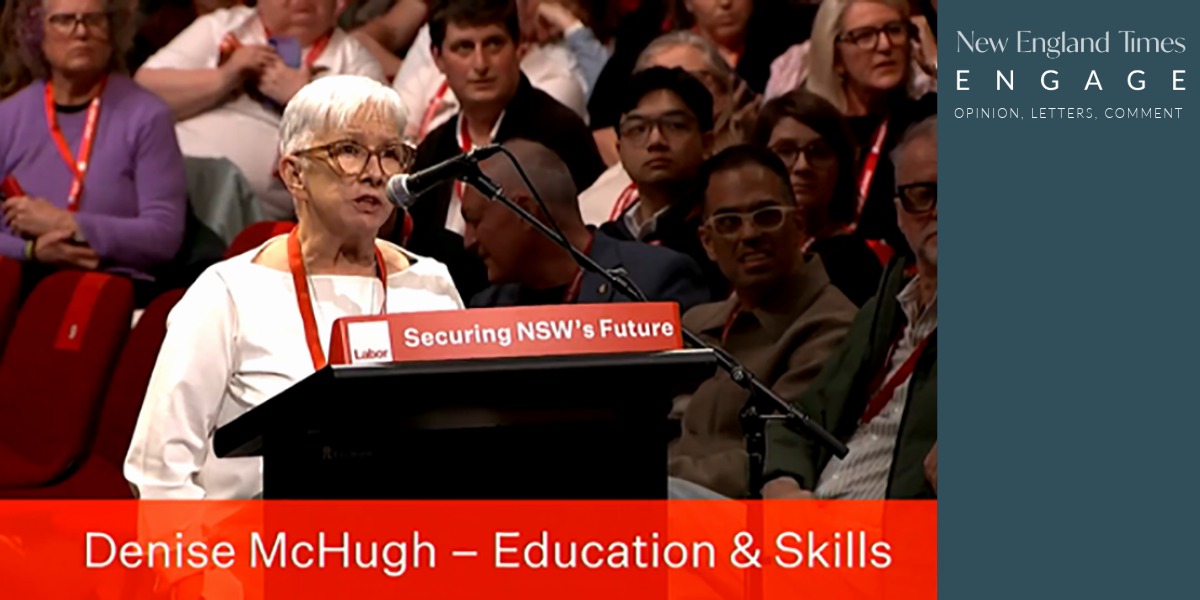
Last weekend at the NSW Labor State Conference, that choice centred on one of the most difficult and politically contentious issues in New South Wales—poker machine reform.
Delegates overwhelmingly supported one of the most comprehensive gambling harm reform packages ever adopted by the Party. The motion committed NSW Labor to reducing poker machine numbers over time, strengthening consumer protections, introducing new technologies to better protect vulnerable gamblers, cracking down on unlawful practices, addressing online gambling harm and supporting clubs to diversify beyond their dependence on poker machine revenue.
It sent a clear signal that the time for incremental change has passed.
I was particularly proud to have had the opportunity to speak in support of those reforms. As someone who has been involved in the Labor movement for many years, there are occasions when you know you are participating in a debate that genuinely matters.
This was one of those occasions.
Supporting stronger action to reduce gambling harm wasn’t simply about adopting another piece of conference policy. It was about recognising that governments have a responsibility to protect people when the evidence is overwhelming and the consequences of inaction are measured in damaged lives, financial hardship and fractured communities.
The debate was never about being anti-club. Nor was it about telling people how they should spend their money. It was about recognising an uncomfortable truth.
Poker machines are not ordinary forms of entertainment. They are deliberately designed to maximise the amount of time people spend playing and the amount of money they lose. The result is a level of gambling harm that devastates individuals, families and entire communities.
For decades governments, researchers, mental health experts and local communities have all understood the damage poker machines cause. Yet meaningful reform has repeatedly stalled because the political influence of the poker machine industry has proven extraordinarily difficult to challenge.
Last weekend felt different.
Inner West Mayor Darcy Byrne described the momentum for genuine gambling reform as “unstoppable”. Looking around the conference hall, it was hard to disagree. Delegates from every corner of the Party recognised that the social cost of doing nothing has become far greater than the political cost of acting.
Equally compelling was the contribution of Unions NSW Secretary Mark Morey, who reminded delegates that gambling harm is fundamentally an issue of social justice. The billions lost through poker machines do not simply disappear from balance sheets. They come out of household budgets. They are wages that should be paying mortgages, rent, groceries, school uniforms and electricity bills. The burden falls most heavily on working people and communities that can least afford it.
Gaming Minister David Harris also made an important contribution to the debate, describing the motion as being about “lasting structural reform.” He said it “puts harm minimisation at the heart of our gaming system, expands support for those experiencing gambling harm, strengthens prevention and ensures accountability is built into the system, not borne by those it has failed.”
That is exactly how good public policy should work. Governments should not wait until people are in crisis before they act. They should build systems that prevent harm in the first place.
Importantly, the motion also recognised the valuable role clubs play in our communities. It doesn’t seek to undermine them. It seeks to support clubs that want to diversify their income streams and become less dependent on poker machine revenue by expanding their hospitality, live entertainment and community offerings. That is a positive vision for the future, not a punitive one.
That is why this cannot be dismissed as simply a matter of personal responsibility.
We regulate products that cause harm. We regulate tobacco. We regulate alcohol. We regulate countless industries where there is a clear public interest. Poker machines should be no different.
During my contribution to the debate, I spoke about gambling addiction as an insidious addiction. Unlike many other addictions, its wounds are often invisible. There are no physical scars, but the financial, emotional and social damage it leaves behind can be every bit as devastating. Families are torn apart, relationships suffer and communities carry the burden.
David Harris was right. Accountability should be built into the system, not borne by those it has failed.
That is precisely why governments have a responsibility to act.
What impressed me most about the motion was that it recognised there is no single solution. Reducing gambling harm requires action on multiple fronts: reducing gaming machine numbers over time, introducing account-based play, establishing a statewide exclusion register, using technology to better protect vulnerable people, cracking down on illegal practices, improving transparency, tackling online gambling harm and helping clubs transition to more sustainable business models.
That is what genuine reform looks like.
None of this will be easy. The poker machine industry remains one of the most influential lobbying forces in New South Wales, and history tells us it will resist change at every opportunity.
But politics is not supposed to be easy.
Leadership is measured not by the decisions that attract universal applause, but by the willingness to confront difficult problems when the evidence demands action. Labor was founded to stand up to powerful vested interests when they worked against the interests of ordinary people, and that principle remains just as relevant today.
Conference policy is only the first step. The real test now is turning those commitments into legislation that genuinely reduces gambling harm.
If that happens, last weekend will be remembered as more than just another State Conference.
It will be remembered as the moment politics found its courage.
And I was proud to have played a small part in that conversation.
Because finding the courage to act is only the beginning. The real measure of leadership is seeing it through.

Denise McHugh is an experienced educator in Tamworth. She is Chair of the NSW ALP Education and Skills Committee and Deputy President of the Independent Education Union (IEU).
All opinion and comment on New England Times Engage is the opinion of the writer and not New England Times.
Got something on your mind? Go on then, engage. Submit your opinion piece, letter to the editor, or Quick Word now.