
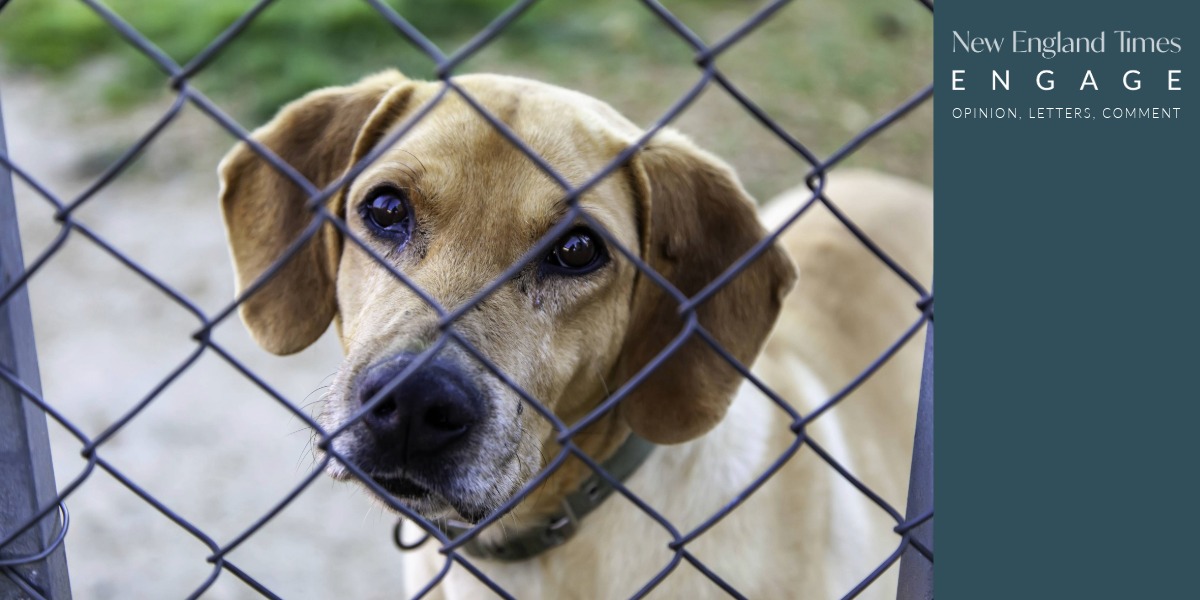
There is nothing quite like being loved by a dog. You can come home carrying the weight of the world and be met with unfiltered joy, a thumping tail and eyes that light up as if you are the best thing that has ever happened. Dogs do not care about your income, your job title or your bad day. They care that you are there. That kind of uncomplicated devotion is powerful, and for many people it is deeply healing.
We talk often about loneliness, anxiety and the strain so many are under. A dog will not fix structural problems or replace proper mental health support, but the evidence is clear that companion animals improve wellbeing. They give people routine and responsibility. They encourage exercise and social connection. They offer comfort without judgement. For someone struggling, having a steady presence beside them can make the difference between isolation and connection.
Yet the people who could most benefit from that steady companionship are often those least able to access it.
Renters are among the most vulnerable in our community. Housing is insecure, applications are competitive, and in a tight rental market many tenants feel they cannot risk adding a dog to their application, even with recent legislative reforms intended to make pet ownership easier. Landlords can still choose another applicant, and often do.
When housing falls through unexpectedly, the situation becomes even more precarious. A renter who suddenly needs to relocate may not be able to secure another pet-friendly property in time.
In theory, surrendering a dog safely to the pound should be a responsible fallback. In practice, the surrender fee charged by many councils – sometimes hundreds of dollars – can make that option financially impossible for someone already facing housing stress. When doing the right thing comes with a price tag, people are forced into impossible choices, and the consequences are borne by both humans and animals.
The barriers do not end there. If someone else in the community is willing to step in and adopt that dog, they too face obstacles. Adoption fees of around $500 are significant for families already facing an increased cost of living. The upfront cost can prevent a willing home from being offered, even when there is love and commitment available.
At the same time, informal pathways that once connected people directly have largely disappeared. Platforms such as Facebook Marketplace no longer allow pet listings. “Free to good home” is no longer an easy or acceptable option in the public square.
While these changes were designed to prevent irresponsible breeding and exploitation, they have also reduced the ability of ordinary people to connect safely and transparently when circumstances change.
What we are left with is a system where renters struggle to secure housing with pets, cannot easily surrender animals without paying, and cannot readily rehome them through community networks. Or to put it more bluntly, we end up with starving dogs roaming the streets.
The rort of excessive fees isn’t limited to the adoption process either. If a dog does abscond or otherwise end up impounded, the reclaiming fees are also exorbitant. A reclaiming fee up to $100, plus $30 per day they are held. Dog food may be expensive, but it is not $30 a day.
None of this is an argument against responsible ownership or against safeguards that protect animal welfare. Dogs deserve proper care, and exploitation should never be tolerated. But we must recognise the unintended consequences of layered fees and restrictions that make it harder for good homes to benefit from the love of a dog.
At a time when we are concerned about community wellbeing and social isolation, and the easy solution of man’s best friend, it is worth reflecting on whether these council fees are contributing to the current epidemic of mental illness in our communities.
Got something on your mind? Go on then, engage. Submit your opinion piece, letter to the editor, or Quick Word now.