
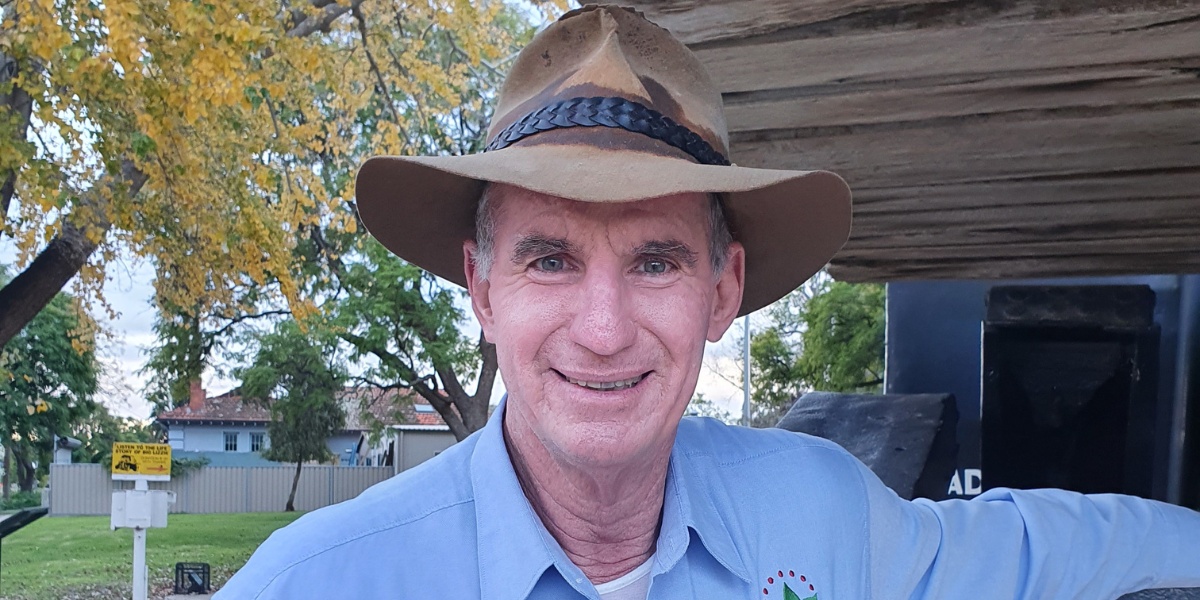
Whilst the festive season is upon us and my rainfall predicting is not going so well, I thought it may be a better idea to recite Paul Macca’s “Twelve Days of Farming” creed.
On my First Day of Farming: I ensure an adequate soil surface to absorb any rainfall event. By this, I mean heavy summer rainstorms need either lots of standing stubble or a very rough, cloddy soil surface to allow water infiltration. We need a fullish profile of at least 120mm stored moisture prior to any planting.
On my Second Day of Farming: I point out the benefits of a current soil test at profile depths of 0–15cm, 15–40cm, and then 40–80/90cm (approx.) for these deepish clay soils we have in the Northern Region.
On my Third Day of Farming: I ensure that this profile soil test measures at least available Nitrate Nitrogen, Phosphorus Colwell, and available Potassium, plus Sodium % of Cations, Chlorides, and pH. It would not hurt to know about Sulphur and Zinc as well.
On my Fourth Day of Farming: I make sure the planter is in good condition and can plant into this paddock without any more mechanical operations on it.
On my Fifth Day of Farming: I ask myself: Do I need to consider a pre-plant application of fertilizer in a band or a zonal method of application, going off my most recent soil test?
On my Sixth Day of Farming: I look at my current and impending weed burden and spectrum by applying a herbicide combination that will control completely any emerged weeds with my preferred Optical Spot Sprayer.
On my Seventh Day of Farming: I check my seed quality as far as germination and vigour goes. I also check how old this line or cohort of seed is in its number of seasons planted.
On my Eighth Day of Farming: I go forth and plant at the appropriate seeding depth with good quality seed into a friable soil structure capable of providing good seed-to-moist-soil contact.
On my Ninth Day of Farming: If planting a legume, I make absolutely sure to inoculate the seed properly in a cool and shady place before getting the seed and live Rhizobia bacteria into the soil. The water injection method or Mort & Co compost granules infused with R. bacteria are other great ways of getting successful inoculation at planting time for your legume or pulse crop.
On my Tenth Day of Farming: I ensure my residual in-crop weed control options are applied correctly time-wise and at the correct rate for the grams active on the container. I also make sure that an agreed-upon weed control program has been mapped out with my agronomist, avoiding increasing folds of herbicide resistance.
On my Eleventh Day of Farming: I scout or monitor weekly in vegetative stages, and probably twice per week in reproductive stages of the crop. This is done by the Agronomist and/or you, the farm owner or manager.
On my Twelfth Day of Farming: I obey all pesticide regulations and withholding periods prior to any harvest period. Particularly necessary in your Helicoverpa insecticide spraying program is the inclusion of our great biological NPV product in Vivus Max to ward off increasing levels of insecticide resistance.
On my Final Day (for this summer anyhow): I sell the grain (or fibre) carefully and deliver the agreed-upon quality, before truthfully filling out the Grower Declaration form at the receival depot or packing shed weighbridge.
Merry Xmas and a happy wet New Year everybody, from Paul “Macca” McIntosh.
Paul McIntosh has been involved in providing broadacre agronomic support since 1977. Since 2015, Paul has held combined roles with Pulse Australia and Weedsmart, as an industry development and extension agronomist. His regular weeds column is published in a number of places including New England Times Engage.
Got something on your mind? Go on then, engage. Submit your opinion piece, letter to the editor, or Quick Word now.